
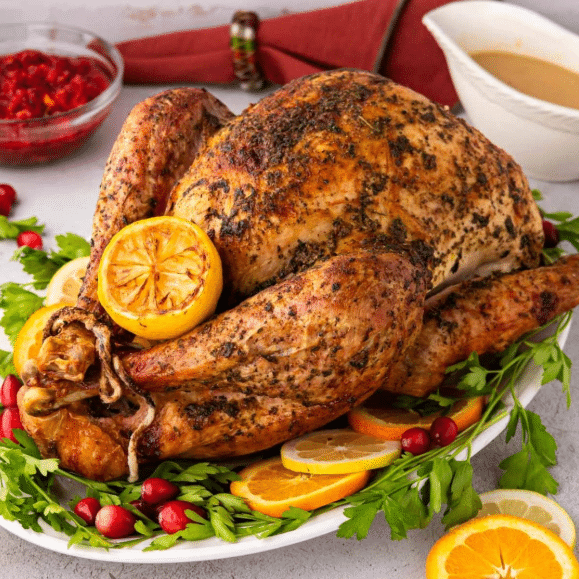
The roast turkey. It’s the undisputed centerpiece of holiday feasts, a symbol of gathering, gratitude, and culinary tradition. A perfectly roasted turkey, with its glistening, golden-brown skin and succulent, flavorful meat, is a thing of beauty. Yet, for many home cooks, the prospect of roasting this magnificent bird brings a wave of anxiety. We’ve all heard the horror stories—or perhaps lived them—of dry, bland, overcooked turkeys that fall short of our festive dreams.
Fear not! Roasting the best turkey of your life is not an arcane art reserved for professional chefs. It’s a science, and with the right techniques, a little patience, and a solid game plan, you can achieve poultry perfection in your own kitchen. This comprehensive guide will walk you through every step of the process, from selecting the right bird to carving it like a pro. Forget dry meat and pale skin; we’re on a mission to create a juicy, flavorful, and unforgettable roast turkey that will have your guests raving for years to come.
The Foundation: Choosing the Perfect Turkey
Before you even preheat your oven, the journey to the best roast turkey begins at the store. The bird you choose sets the stage for the final result, so it’s worth understanding your options.
Fresh vs. Frozen: What’s the Difference?
This is one of the most common questions cooks face. Here’s the breakdown:
- Fresh Turkeys: These birds are chilled after processing but never frozen solid. They often have a slightly superior flavor and texture because ice crystals, which can damage muscle cells and lead to moisture loss, never form. The downside is their short shelf life; you must purchase a fresh turkey only a day or two before you plan to cook it.
- Frozen Turkeys: These are flash-frozen immediately after processing, giving them a very long shelf life. They are widely available and often more budget-friendly. The main challenge with a frozen turkey is the time-consuming thawing process. A large turkey can take several days to thaw safely in the refrigerator.
The Verdict: If you can find and afford a fresh turkey, it’s an excellent choice. However, a properly thawed and prepared frozen turkey can be just as delicious.
Size Matters: How Much Turkey Per Person?
A good rule of thumb is to plan for 1 to 1.5 pounds of turkey per person. This calculation accounts for the weight of the bones. If you love having leftovers for sandwiches, soups, and casseroles (and who doesn’t?), leaning towards 1.5 pounds per person is a wise move.
- Small Gathering (4-6 people): 8-10 lb turkey
- Medium Gathering (8-10 people): 12-16 lb turkey
- Large Gathering (12-16 people): 18-22 lb turkey
Heritage, Organic, or Conventional?
- Conventional: These are the standard turkeys found in most supermarkets. They are bred for large breasts and rapid growth.
- Organic: These turkeys are raised on organic feed, without antibiotics, and have access to the outdoors. Many people find they have a better flavor.
- Heritage: These are older breeds of turkey, closer to what our ancestors ate. They have a different body structure (often smaller breasts and larger thighs), a richer, more complex flavor, and are typically more expensive.
The Secret to a Juicy Bird: To Brine or Not to Brine?
If you take away only one tip from this guide, let it be this: brine your turkey. Brining is the single most effective technique for ensuring moist, seasoned meat. It works through osmosis; the salt in the brine not only seasons the meat from the inside out but also alters its protein structure, helping it to retain moisture during the roasting process. You have two excellent options: wet brining and dry brining.
Wet Brining: The Classic Method
Wet brining involves submerging the entire turkey in a saltwater solution. It’s incredibly effective but requires a large, food-safe container (like a cooler or brining bag) and significant refrigerator space.
Simple Wet Brine Recipe:
- 1 gallon of water
- 1 cup of kosher salt
- 1/2 cup of brown sugar (optional, for color and flavor)
- Aromatics: A head of garlic (halved), a tablespoon of black peppercorns, a few bay leaves, and sprigs of fresh thyme or rosemary.
Combine the ingredients in a large pot and heat just until the salt and sugar dissolve. Let it cool completely before pouring it over your turkey. You’ll need enough brine to fully submerge the bird. Brine for 12-24 hours in the refrigerator. Before roasting, rinse the turkey thoroughly and pat it completely dry with paper towels.
Dry Brining: A Modern, Simpler Approach
Dry brining, or pre-salting, achieves the same results as wet brining but with less mess and a significant bonus: crispier skin. The salt draws out moisture from the turkey, which then dissolves the salt, creating a concentrated natural brine that is reabsorbed into the meat.
Simple Dry Brine Recipe:
- 1 tablespoon of kosher salt for every 4-5 pounds of turkey.
- 1 tablespoon of black pepper
- 1-2 tablespoons of chopped fresh herbs (sage, thyme, rosemary)
Combine the salt, pepper, and herbs. Pat the turkey completely dry. Rub the mixture evenly all over the turkey, including inside the cavity. Place the turkey on a rack in a roasting pan or on a sheet pan and refrigerate it, uncovered, for 24 to 72 hours. The uncovered time in the fridge helps to dry out the skin, which is the key to an exceptionally crispy finish. There’s no need to rinse the turkey before roasting.

The Flavor Bomb: Seasoning and Aromatics
Brining seasons the meat internally, but the external seasoning creates that beautiful, savory crust. This is where you build another layer of incredible flavor.
The Ultimate Herb Butter Rub
A compound butter, slathered both under and over the skin, is a game-changer. The fat adds richness, helps crisp the skin, and carries the flavor of the herbs and garlic into the meat.
Herb Butter Recipe:
- 1 cup (2 sticks) of unsalted butter, softened
- 4-5 cloves of garlic, minced
- 2 tablespoons of chopped fresh thyme
- 2 tablespoons of chopped fresh rosemary
- 1 tablespoon of chopped fresh sage
- Zest of one lemon
- 1 teaspoon of salt
- 1 teaspoon of black pepper
Mash all ingredients together in a bowl until well combined. To apply, carefully separate the skin from the breast meat with your fingers, creating a pocket. Push about half of the herb butter into this pocket and massage it over the breast meat. Rub the remaining butter all over the outside of the turkey—the legs, thighs, and wings.
Stuffing the Cavity with Aromatics
For food safety and to ensure the turkey cooks evenly, it’s best to cook your bread stuffing in a separate casserole dish. Instead, fill the turkey’s cavity with aromatics. These will release steam and perfume the meat from the inside as it roasts.
Great Aromatic Stuffers:
- One large onion, quartered
- The lemon you zested, halved
- A head of garlic, halved crosswise
- A large handful of fresh herbs (rosemary, thyme, sage, parsley)
The Main Event: Roasting to Golden Perfection
It’s time. Your bird is brined, seasoned, and ready for the oven. Let’s make sure the final step is a roaring success.
Prepping the Pan and Oven
First, position an oven rack in the lower third of your oven and preheat to 425°F (220°C). Starting with high heat helps to render the fat and begin the browning process for crispy skin.
Place your turkey on a roasting rack set inside a sturdy roasting pan. The rack elevates the bird, allowing hot air to circulate for more even cooking. Add about a cup of chicken broth or water to the bottom of the pan to prevent drippings from burning.
The Roasting Process: Time and Temperature
The general rule for turkey cooking time is about 13-15 minutes per pound, but this is just an estimate. After the first 30 minutes at 425°F, reduce the oven temperature to 350°F (175°C) for the remainder of the cooking time.

The Key to Success: Using a Meat Thermometer
Do not rely on a pop-up timer or time charts alone. The only foolproof way to know if your turkey is cooked perfectly is by using an instant-read digital meat thermometer. Overcooking is the number one cause of dry turkey, and a thermometer is your best defense.
Check the temperature in the thickest part of the thigh, making sure not to touch the bone. The turkey is done when the thigh registers 165°F (74°C). The temperature will continue to rise by 5-10 degrees as the turkey rests.
To Baste or Not to Baste?
Basting can help to keep the turkey moist, but every time you open the oven door, the temperature drops significantly, which can increase the overall cooking time. If you’ve used a generous amount of herb butter, basting isn’t strictly necessary. If you choose to baste, do it quickly, using the pan drippings, no more than two or three times during the entire roasting process.
The Most Crucial Step: Resting Your Turkey
This step is non-negotiable. Do not, under any circumstances, take your beautiful turkey from the oven and immediately start carving. During roasting, the juices are forced toward the center of the bird. Resting allows those juices to redistribute throughout the meat, resulting in a much juicier, more flavorful turkey.
Carefully transfer the turkey from the roasting pan to a large cutting board. Tent it loosely with aluminum foil and let it rest for at least 20-30 minutes before carving. A large bird can benefit from resting for up to 45 minutes. It will still be perfectly hot when you serve it.
Carving Like a Pro
After all your hard work, a proper carving technique will ensure every slice is perfect. Use a long, sharp carving knife.
- Remove the Legs: Cut the skin between the breast and the thigh. Press the leg downward to pop the joint, then cut through the joint to remove the entire leg and thigh.
- Separate Drumstick and Thigh: Place the leg on the cutting board and cut through the joint connecting the drumstick and thigh.
- Carve the Breast: Find the breastbone running down the center. Make a deep cut along one side of the breastbone. Then, starting from the outside, slice downward toward the bone, releasing each slice.
- Remove the Wings: Pull each wing away from the body and cut through the joint.
- Arrange and Serve: Arrange the carved meat beautifully on a platter and bring it to the table.

Frequently Asked Questions (FAQ)
- How long does it take to thaw a frozen turkey? In the refrigerator (the safest method), allow about 24 hours for every 4-5 pounds.
- What if the skin is browning too quickly? If the breast skin starts to get too dark before the thigh is cooked to 165°F, simply tent the breast area with a piece of aluminum foil.
- Can I stuff my turkey with bread stuffing? It’s not recommended. A stuffed bird takes longer to cook, and it’s difficult to ensure the stuffing reaches a food-safe temperature of 165°F without overcooking the turkey meat.
- How do I store leftovers? Carve all remaining meat off the bone and store it in an airtight container in the refrigerator for up to 4 days.
Conclusion: Your Best Turkey Ever
Roasting the perfect turkey is a rewarding experience that will elevate any holiday meal. By following these key principles—choosing your bird wisely, always brining for moisture and flavor, using a generous herb butter rub, trusting your meat thermometer over the clock, and giving the turkey a proper rest—you are guaranteed a spectacular result. This year, you can approach the holiday with confidence, knowing that a juicy, golden, and delicious roast turkey is well within your reach. Happy roasting!